

Selection Guides and Engineering Notes
Practical answers to the questions we hear from engineers every week.
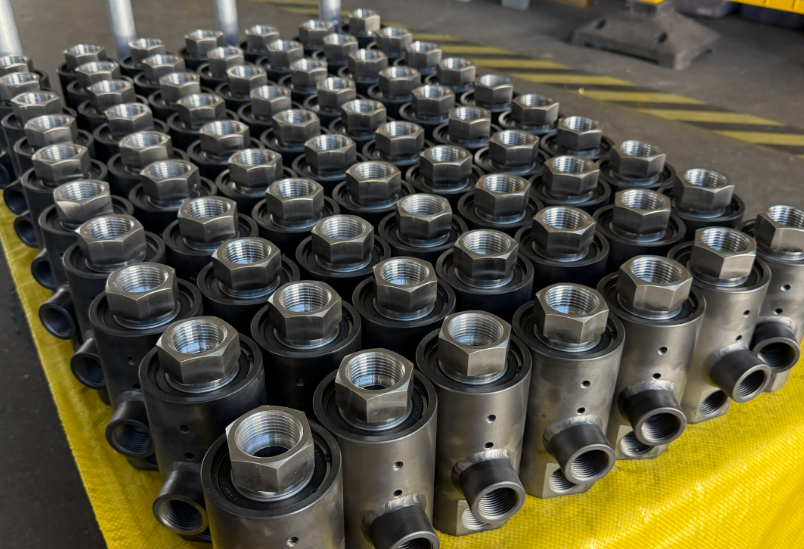
Engineering Excellence in Action: How Ruitus Upgraded a Major Vietnamese Steel Mill’s Rotary Joint Solution
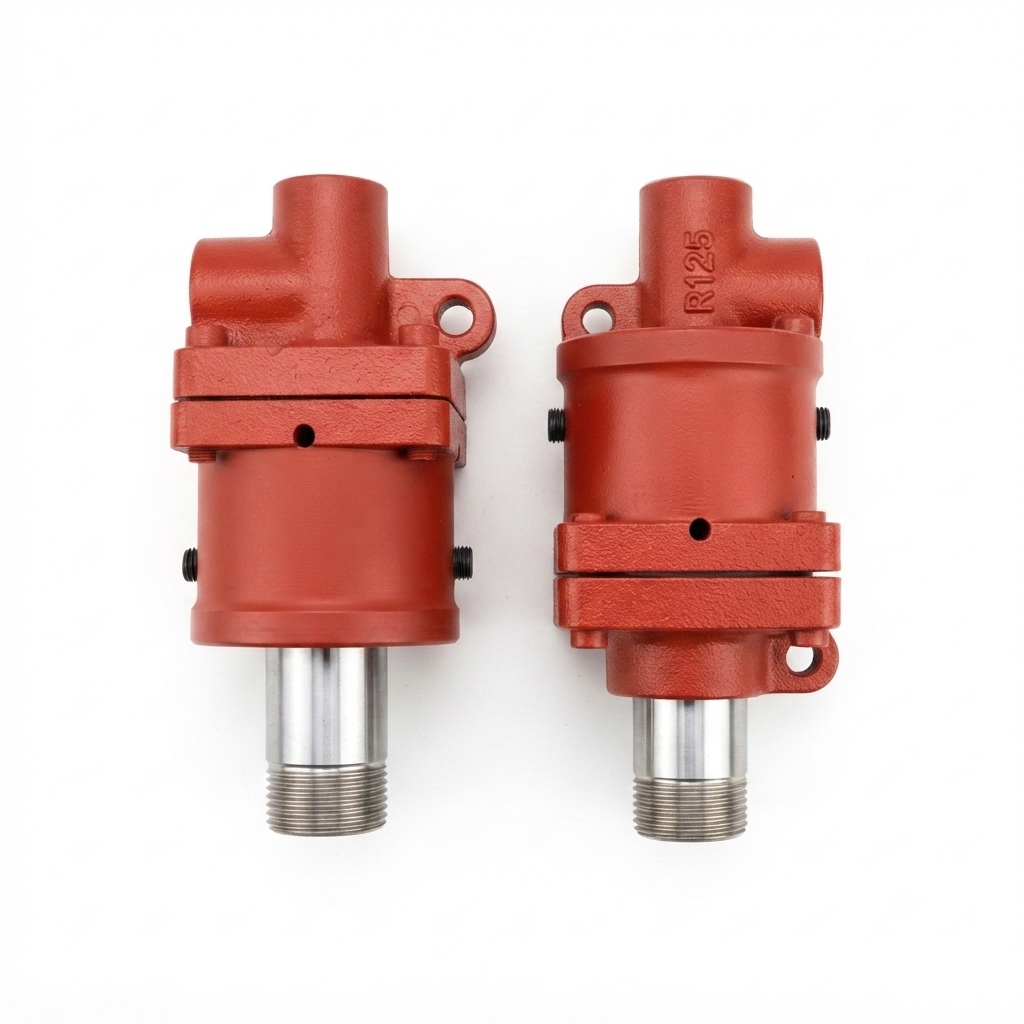
In heavy industries such as steel manufacturing, the reliability of fluid-handling components dictates overall plant uptime. Recently, Xuzhou Ruitus Import and Export Co., Ltd. (Ruitus) successfully delivered an order of 120 high-performance rotary joints (Model: JH-JG-25A) to a leading, large-scale steel plant in Ho Chi Minh City, Vietnam. Beyond a standard commercial transaction, this project stands out as a textbook example of engineering collaboration and value-add optimization. By addressing structural limitations in the client's original design, Ruitus delivered an advanced, customized solution that significantly enhanced operational stability and concentricity.
Read article →
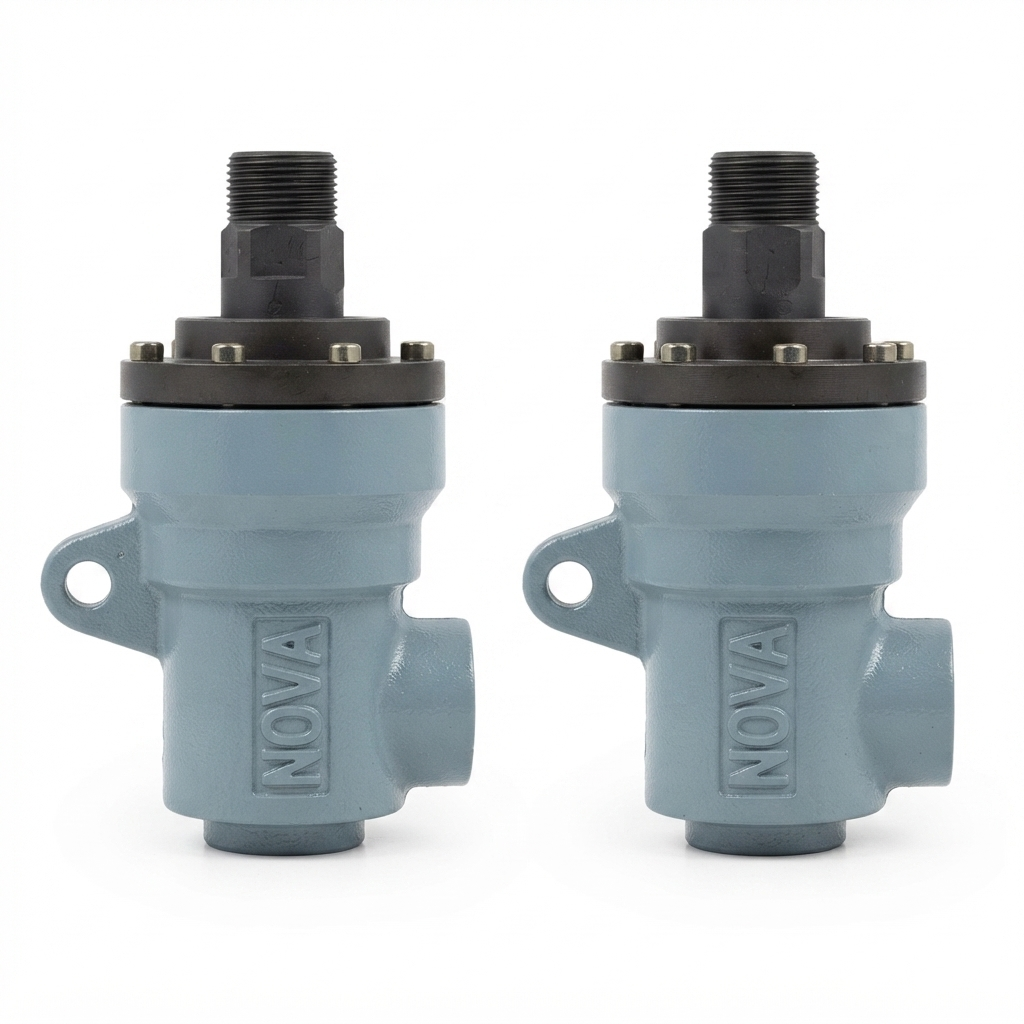
Kadant Johnson Rotary Joint Alternatives: A Practical Replacement Guide
Looking for a Kadant Johnson rotary joint alternative? This practical guide explains the six compatibility points you must verify before switching suppliers — mounting, connections, media, speed, passages, and spares — and how to source an equivalent joint at 60–80% lower cost with shorter lead times.
Read article →
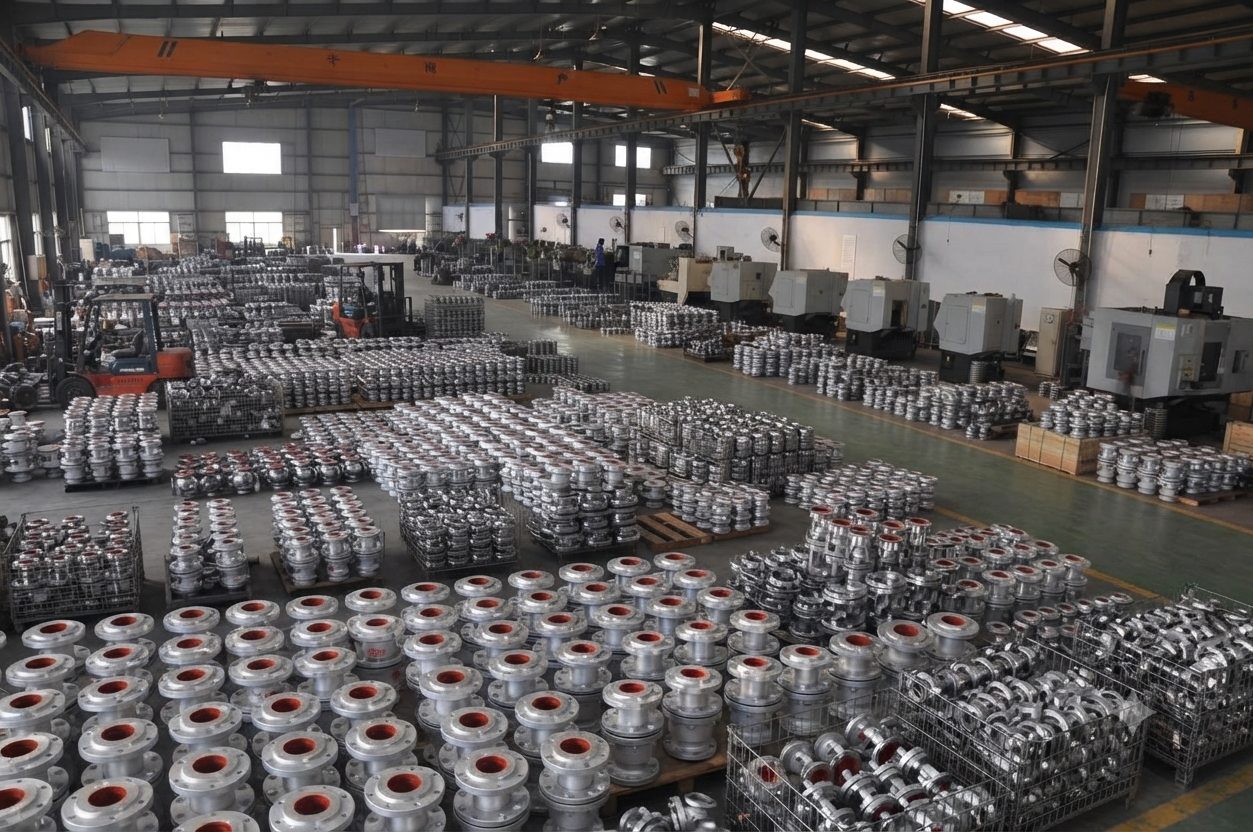
Rotary Joint vs Rotary Union vs Rotary Coupling: What's the Difference?
Rotary joint, rotary union and rotary coupling are three names for the same device. This guide explains where each term is used, which names suppliers use, and what to specify when ordering — plus the one 'coupling' that is a completely different product.
Read article →
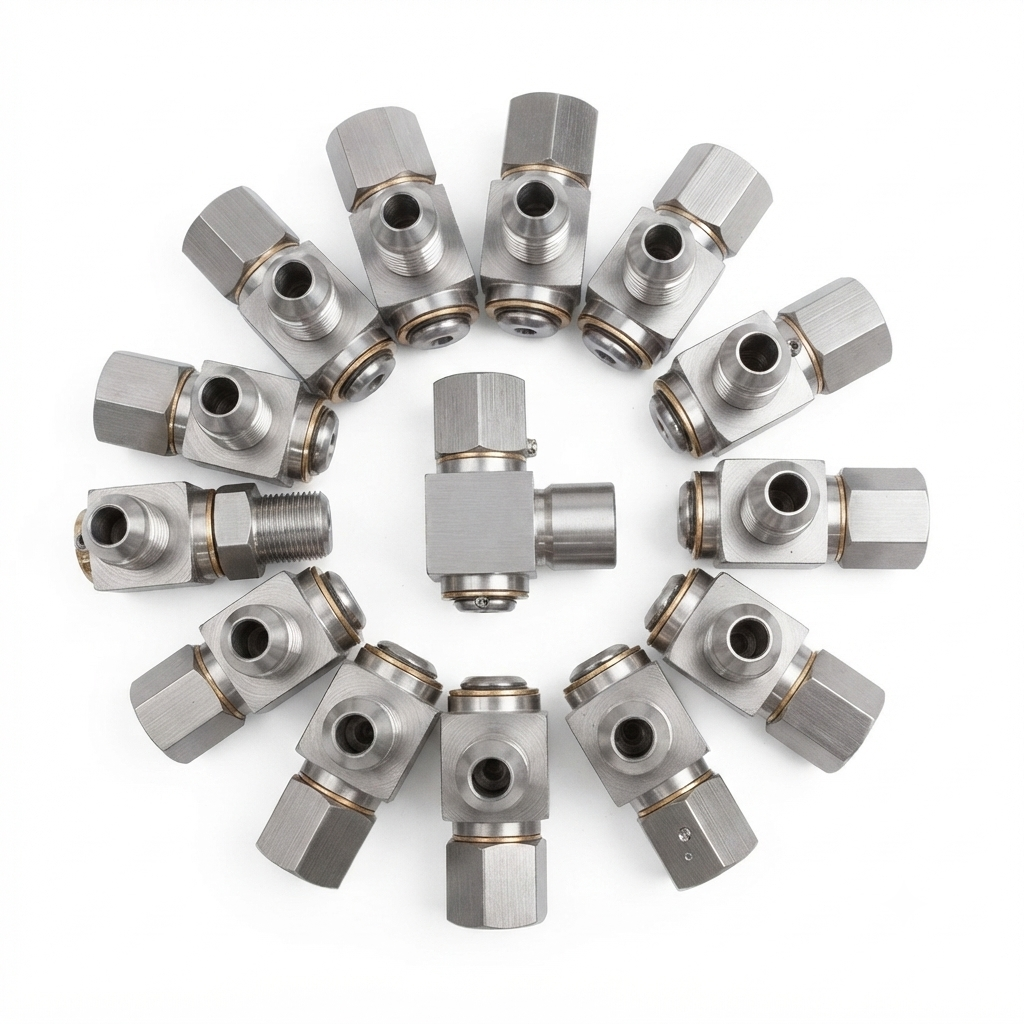
Stainless Steel vs Brass Rotary Joints: Material Selection Guide
Choosing between stainless steel and brass housing for your rotary joint depends on corrosion resistance requirements, operating temperature, pressure, and cost. This guide compares both materials across 8 key factors to help you make the right choice.
Read article →
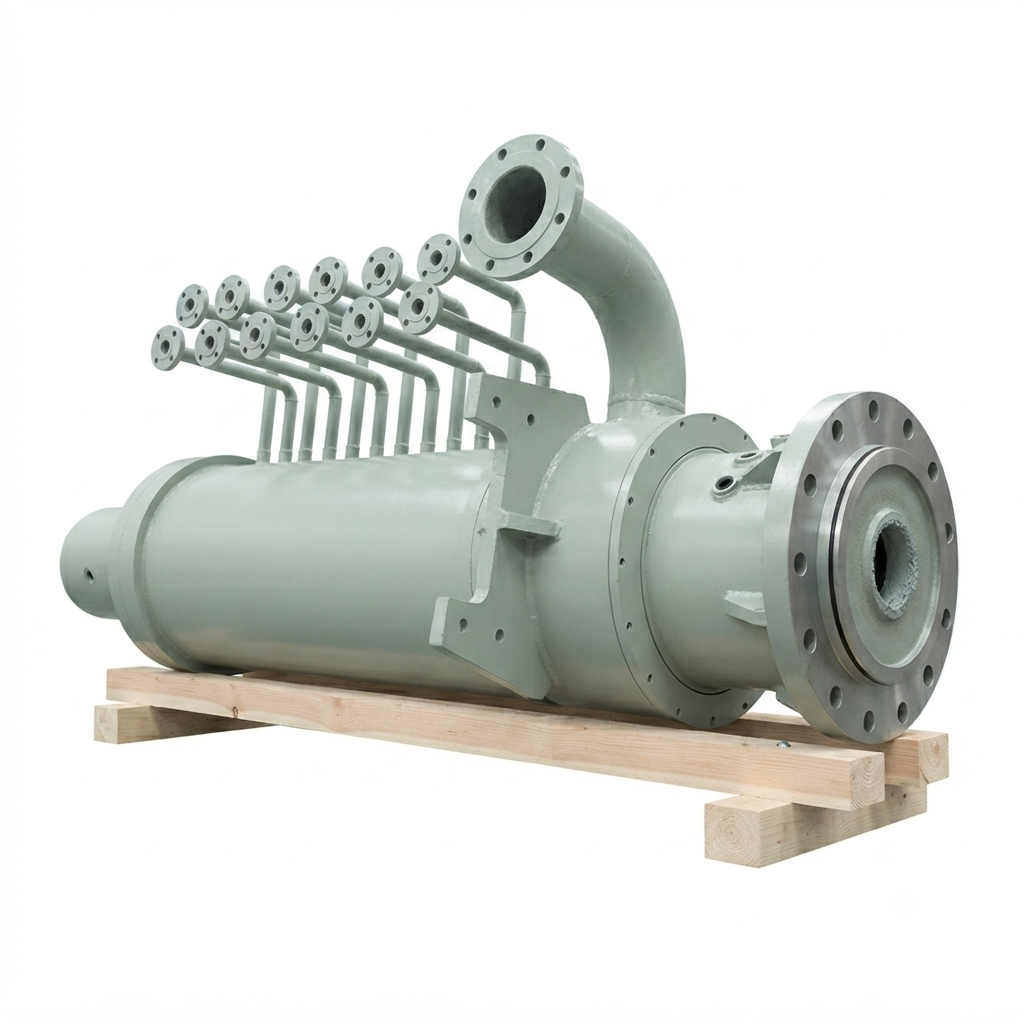
Hydraulic Rotary Joints for Steel Mills: Selection and Maintenance
Steel mill hydraulic systems operate under extreme conditions — high pressure, high temperature, continuous duty, and corrosive environments. This guide covers how to select and maintain hydraulic rotary joints for continuous casting, converter cooling, ladle turrets, and walking beam furnaces.
Read article →
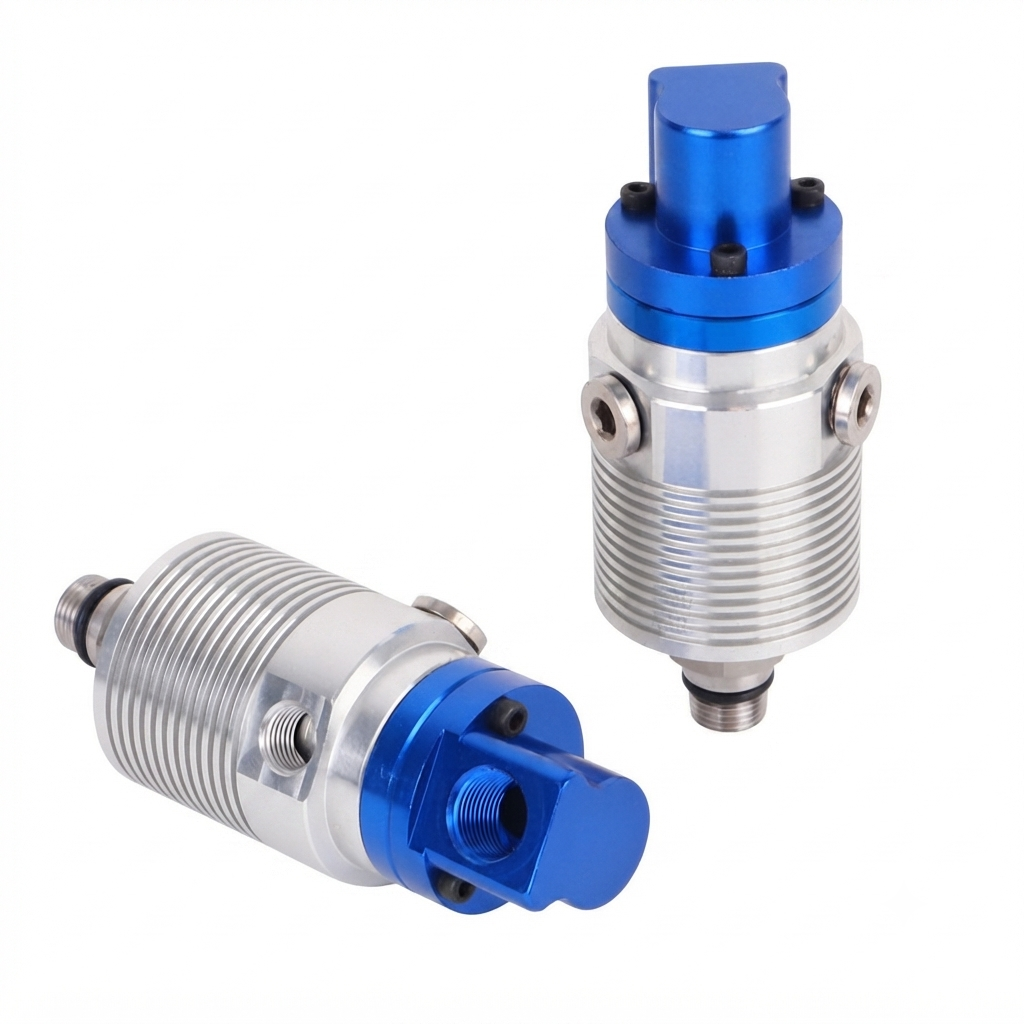
CNC Through-Spindle Coolant Joints: Complete Buyer's Guide
Through-spindle coolant delivery is essential for modern CNC machining, but selecting the right rotary joint requires understanding speed, pressure, coolant type, and machine compatibility. This guide covers everything you need to know before purchasing a CNC through-spindle coolant joint.
Read article →
High-Speed Rotary Joints: Engineering Challenges Above 10,000 RPM
Operating rotary joints above 10,000 RPM creates extreme engineering challenges — vibration, heat generation, seal wear, and bearing failure. This article explains how high-speed rotary joints are designed, what makes them different from standard joints, and how the RT-DE CNC series meets these demands.
Read article →
Troubleshooting Rotary Joint Leaks: A Practical Diagnostic Guide
Rotary joint leaks waste media, create safety hazards, and signal deeper problems. This diagnostic guide walks you through 6 common leak causes, how to identify each one, and the specific fixes that actually work — from seal replacement to alignment correction.
Read article →
Rotary Joint Standards Explained: ISO, DIN, ANSI, and JIS
Rotary joint standards vary by region and application. This guide explains what ISO, DIN, ANSI, and JIS standards cover for rotary unions, which standard applies to your market, and how to specify the right standard when ordering from international suppliers.
Read article →
Steam Rotary Joints vs Thermal Oil Rotary Joints: Key Differences
Steam and thermal oil are the two most common high-temperature media in industrial heating systems, but they demand very different rotary joint designs. This guide explains the critical differences in temperature, pressure, seal requirements, and maintenance — helping you specify the right joint for your heat transfer system.
Read article →
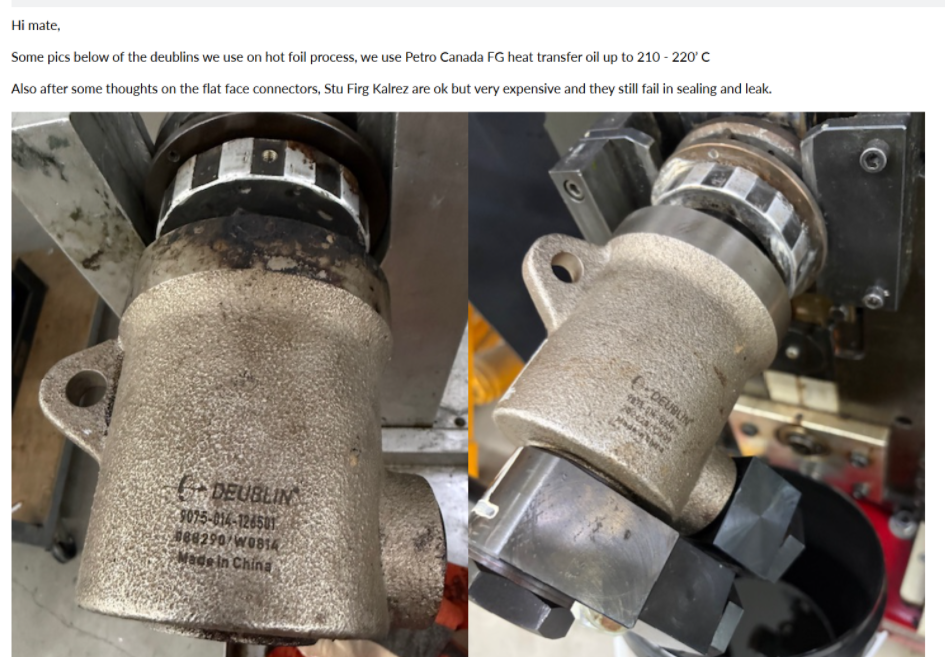
Why do high-end rotary joints still leak in high-temp hot foil processes? Here is how we solved it.
Yesterday,I received some real-world feedback and photos from Sean Russ, Technical Director at Graf Engineering.
Read article →
Balanced Seal vs Unbalanced Seal: Which Rotary Joint Design Is Better?
Balanced and unbalanced seal designs fundamentally affect rotary joint performance, leakage rate, and service life. This engineering comparison explains how each design works, when to use which, and why Ruitus patented balanced seal technology delivers superior results.
Read article →
.png)
The "Invisible Killer" on Corrugator Lines: Why Do Your Rotary Joints Keep Leaking? (And How to Triple Their Service Life)
In the fast-paced environment of a corrugated board production line, one of the most frustrating maintenance headaches is a sudden steam leak from the rotary joints on single-facers or double-backer hot plates.
Read article →
Rotary Joint Maintenance: 7 Expert Tips to Maximize Service Life
Proper rotary joint maintenance prevents leaks, reduces downtime, and extends service life by 3–5x. Learn the 7 proven maintenance practices used by leading steel mills and manufacturing plants worldwide.
Read article →
How to Choose the Right Rotary Joint: A Complete Selection Guide
Choosing the wrong rotary joint leads to leaks, downtime, and costly replacements. This guide walks you through the 6 critical factors — media, pressure, temperature, speed, material, and connection — to match the perfect rotary union or coupling to your application.
Read article →
Send Us Your Drawing or Duty Conditions
Tell us the medium, temperature, pressure, speed and connection size. Our engineers reply with a selection or a custom proposal — usually within one working day.