

Rotary Joint vs Rotary Union vs Rotary Coupling: What's the Difference?
A rotary joint, a rotary union, and a rotary coupling are three names for the same device — a precision sealing component that transfers steam, water, thermal oil, coolant, or compressed air from a stationary supply pipe into rotating machinery. The name you see depends on the supplier’s region and industry, not on the product itself.
Why One Device Has Three Names
All three terms describe a device with the same job: it keeps a leak-free connection between a fixed pipe and a rotating roll, drum, spindle, or shaft. Inside, you will find the same core components — a housing, bearings, and a mechanical seal pair (typically carbon graphite running against silicon carbide or tungsten carbide).
The naming differences are historical and regional:
- Rotary joint — the most common term in North America and Asia. Paper mills, steel plants, and machine-tool builders in these regions usually say “rotary joint.”
- Rotary union — widely used in Europe and in the fluid-power industry. Many major Western manufacturers put “union” in their product names, so the term dominates technical documentation and DIN-standard contexts.
- Rotary coupling — common in the United Kingdom and in general mechanical engineering. It also appears frequently in RFQs (requests for quotation) from international buyers.
Because global sourcing means suppliers and buyers from all three traditions now work together, all three names appear side by side in catalogs, datasheets, and search results.
Rotary Joint vs Rotary Union vs Rotary Coupling: Quick Comparison
| Term | Where you’ll see it | Same device? | Notes |
|---|---|---|---|
| Rotary joint | North America, Asia, paper & steel industries | Yes | The most literal name — a joint that rotates |
| Rotary union | Europe, fluid power, hydraulic applications | Yes | “Union” is the piping term for a connectable coupling |
| Rotary coupling | UK, general engineering, international RFQs | Usually yes | Watch out for confusion with shaft couplings (see below) |
Is a Rotary Coupling the Same as a Shaft Coupling?
No — and this is the one place where the word “coupling” can genuinely mislead.
A rotary coupling (in the fluid-transfer sense) is a rotary joint/union: it moves media from a stationary line into rotating equipment, and seals while doing it.
A shaft coupling or flexible coupling is a completely different product: it connects two rotating shafts to transmit torque and compensate for misalignment. It carries no fluid and has no sealing function.
When a drawing or RFQ says “coupling,” check whether it mentions media (steam, water, oil, air) and pressure ratings. Media means a rotary joint. Torque, RPM, and shaft dimensions mean a shaft coupling. Ruitus manufactures rotary joints and rotary unions only — for fluid and gas transfer.
Other Names for the Same Device
Beyond the big three, you will encounter several variants in international trade:
- Rotating joint — a common alternative phrasing, especially in translated technical documents and machine manuals.
- Rotational joint — used interchangeably with “rotating joint”; often seen in academic papers and patent literature.
- Swivel joint — usually refers to the same family, though it can also describe low-pressure hose swivels.
- Rotary connector / rotary adaptor — informal names that appear in some equipment part lists.
- “Joint rotary” — reversed word order that appears in RFQs from non-native English buyers; suppliers understand it means the same thing.
If you are searching for suppliers, using any of these terms will surface the same product family. Combining two terms — for example “rotary union rotary joint” — is a common way buyers narrow searches when they are unsure of the local convention.
What Actually Differs: Types of Rotary Joints
The terminology does not change the product, but rotary joints themselves vary enormously by duty. The differences that matter for your order are:
By medium:
- Steam rotary joints — saturated or superheated steam up to 250°C, for drying cylinders and calenders
- Water and coolant rotary joints — the highest-volume category, for cooling circuits on rolls and spindles
- Thermal oil rotary joints — high-temperature heat-transfer service
- Hydraulic rotary unions — pressures up to 100 MPa in steel-mill and press applications
By passage count:
- Single-flow — one medium in, one path
- Dual-flow — simultaneous inlet and outlet through one joint
- Multi-passage — up to six or more independent passages with no cross-contamination, for printing, textile, and film lines
By speed:
- Low-speed heavy-duty — below 100 RPM, e.g., converter ladles and calender rolls
- General speed — 100 to 3,000 RPM, the most common industrial range
- High-speed — up to 10,000+ RPM, requiring balanced seal designs and precision bearings
For a full decision framework, see our rotary joint selection guide, which walks through media, pressure, temperature, speed, material, and connection in detail.
Which Term Should You Use When Ordering?
Any of the three terms works — established manufacturers recognize all of them. What actually determines whether you receive the right product is your specification, not your vocabulary. A complete inquiry includes:
- The medium (and whether it contains particles or scale)
- Maximum operating pressure, including spikes
- Temperature range at the joint
- Rotational speed
- Connection type and size (threaded, flanged, or custom)
- Number of passages required
- Any mounting-space constraints
With those seven data points, any rotary joint manufacturer can quote accurately — whether they call the product a joint, a union, or a coupling.
FAQ
Are rotary joints and rotary unions the same thing? Yes. They are two names for the same device: a sealed connection that transfers fluid or gas from a stationary line into rotating equipment. “Rotary joint” is more common in North America and Asia; “rotary union” is more common in Europe and fluid-power contexts.
Why do different suppliers use different names? Regional convention. The technology was adopted by different industries at different times — paper and steel mills popularized “rotary joint,” while European fluid-power engineering kept the piping term “union.” Suppliers serving global markets now list all three names in their catalogs.
Is a rotary coupling the same as a flexible coupling? No. A rotary coupling transfers media (steam, water, oil, air) into rotating machinery and contains seals. A flexible or shaft coupling transmits torque between two shafts and carries no fluid. Always check whether the specification mentions media and pressure.
The Same Device, Whatever You Call It
Ruitus manufactures rotary joints, rotary unions, and rotary couplings — one product line, three names, covering steam, water, coolant, thermal oil, hydraulic, and multi-passage service from 10 standard models and fully custom designs. With ISO 9001:2015 certification and exports to more than 70 countries, we quote to your specification regardless of which term your drawing uses.
Send your drawing or duty conditions through the contact form, or reach Frank Cao directly at frankcao@ruitus.com / +86 177 9883 6850 (WhatsApp).
Related Articles
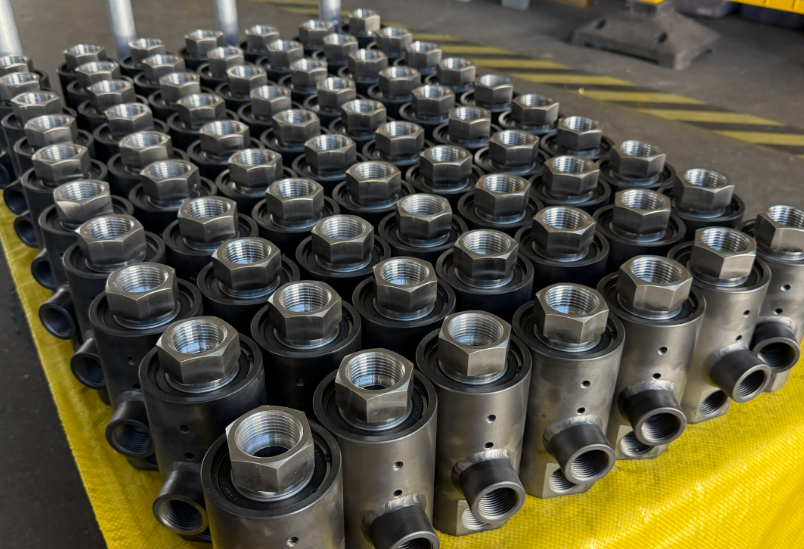
Engineering Excellence in Action: How Ruitus Upgraded a Major Vietnamese Steel Mill’s Rotary Joint Solution
Oct 5, 2026
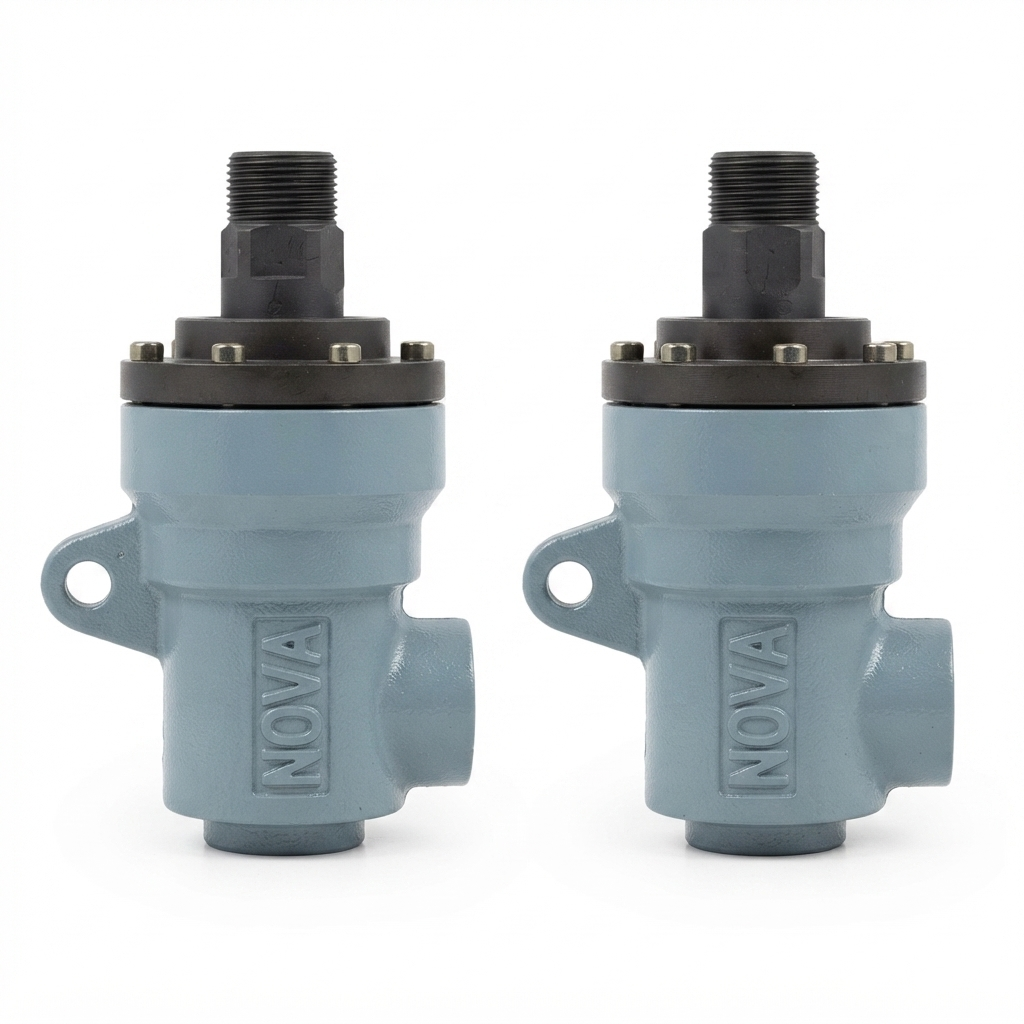
Kadant Johnson Rotary Joint Alternatives: A Practical Replacement Guide
Oct 5, 2026
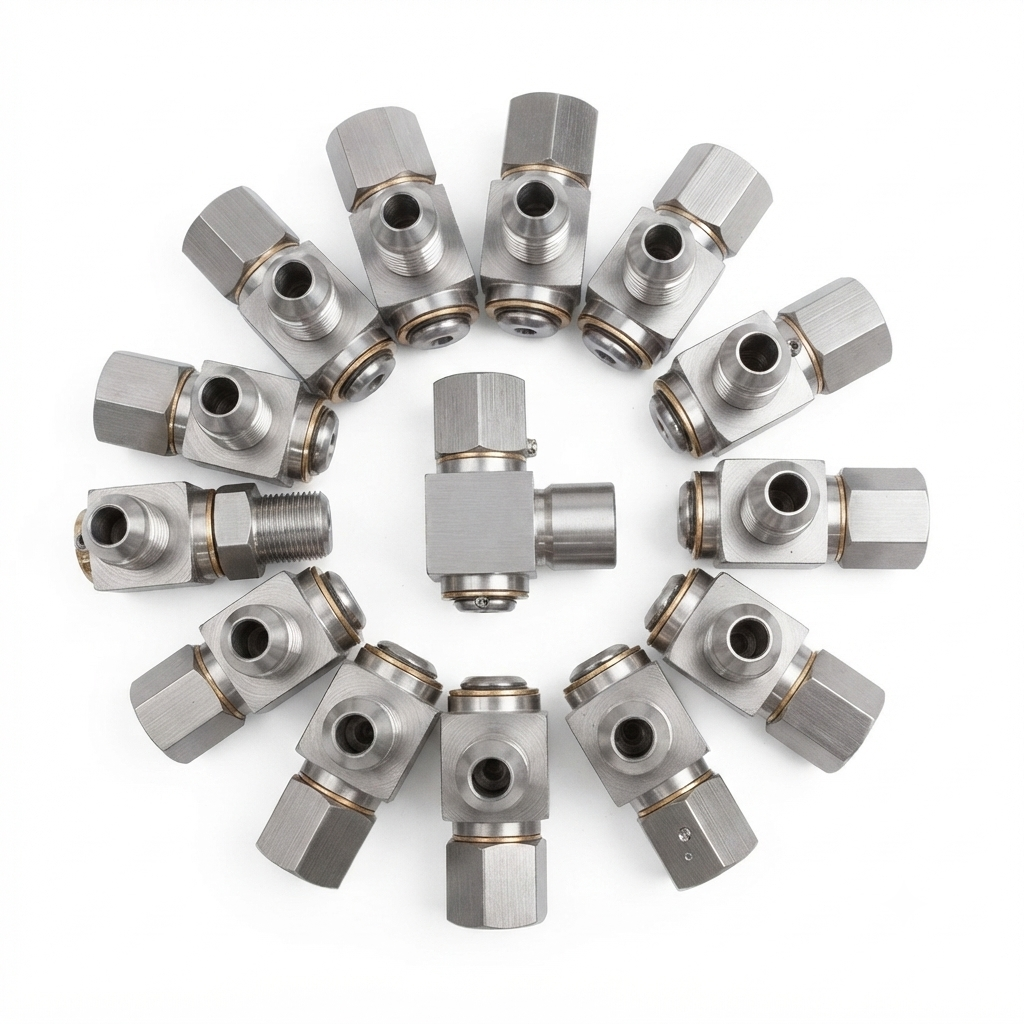
Stainless Steel vs Brass Rotary Joints: Material Selection Guide
Sep 29, 2026
Related Products
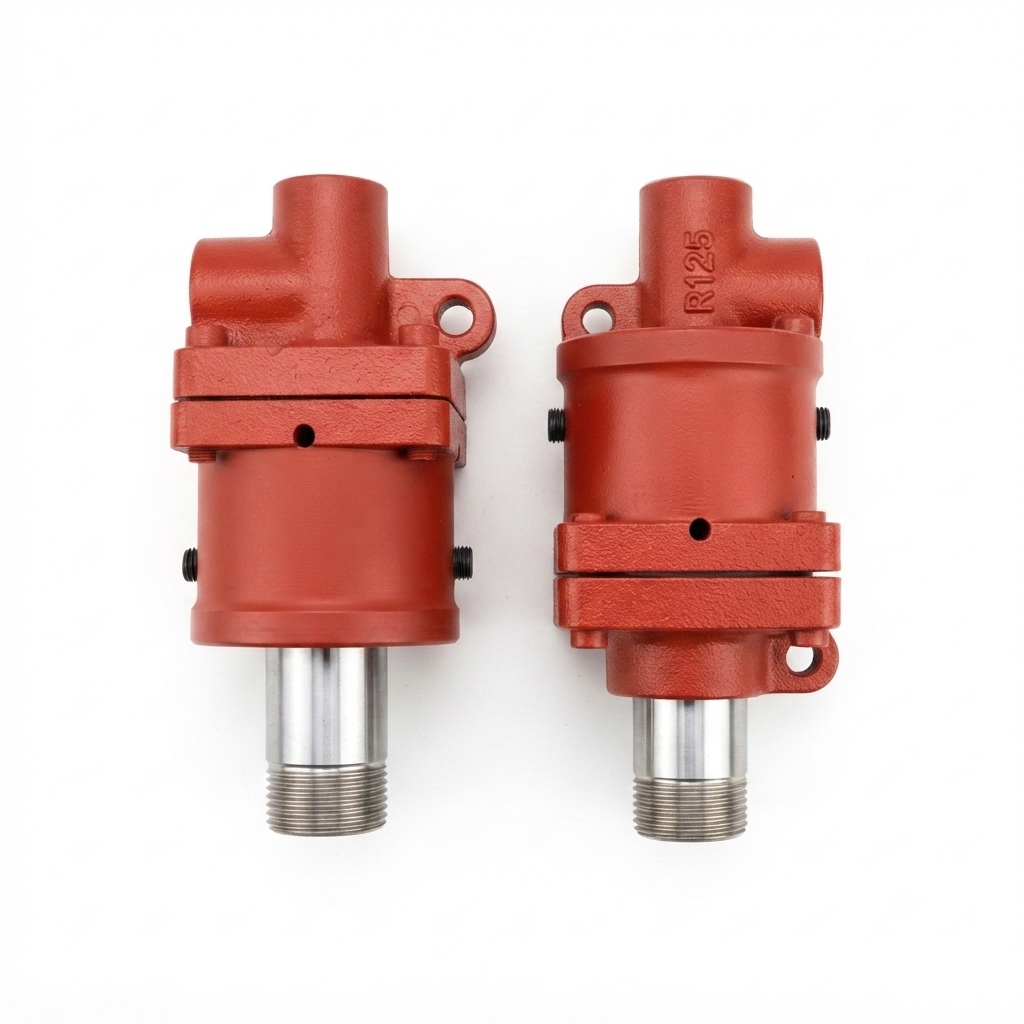
RTH Series — Rotary Joint for Water/Coolant
Patented balanced-seal design for smooth media flow
RTQ Series — Low-Speed, High-Temperature Rotary Joint
Dual-spherical design for steam and thermal oil up to 350°C
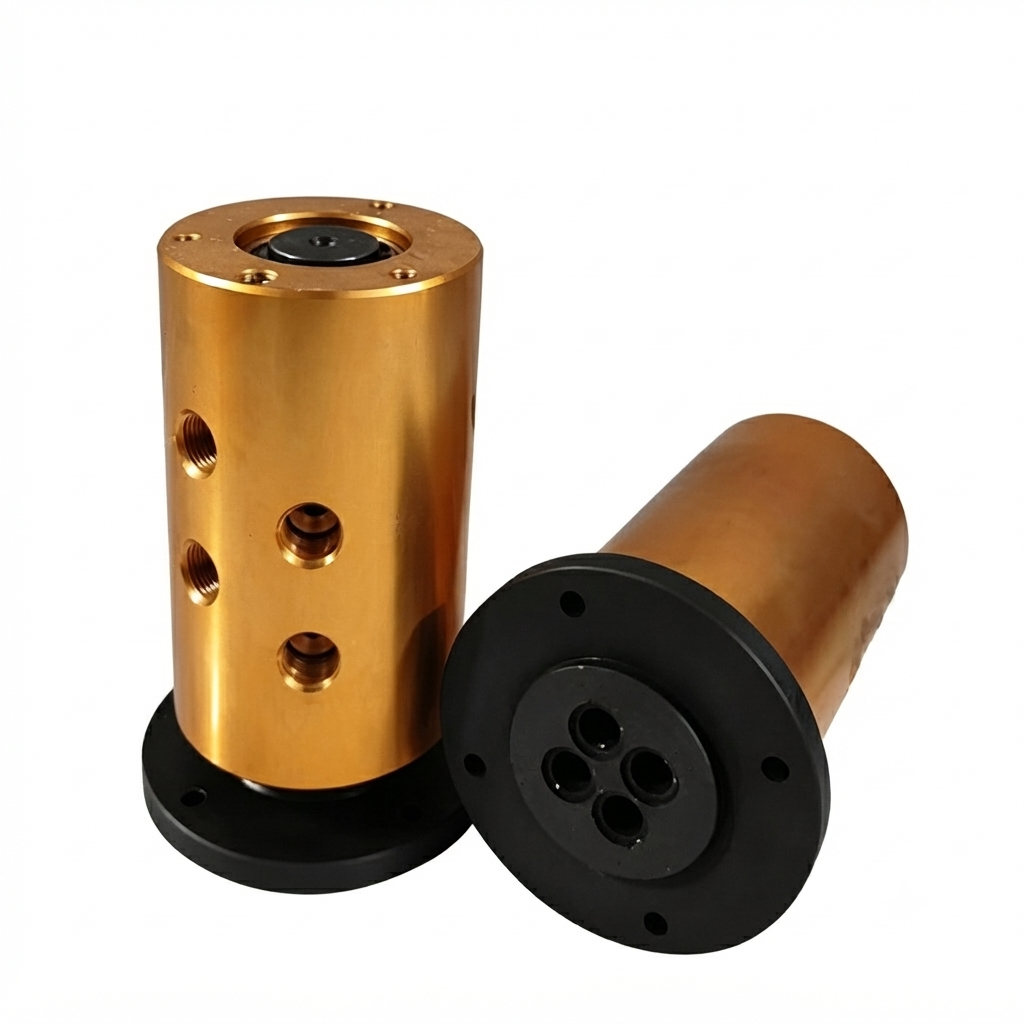
RT-GY Series — Rotary Joint for Hydraulic Applications
Multi-passage hydraulic power transmission up to 100 MPa
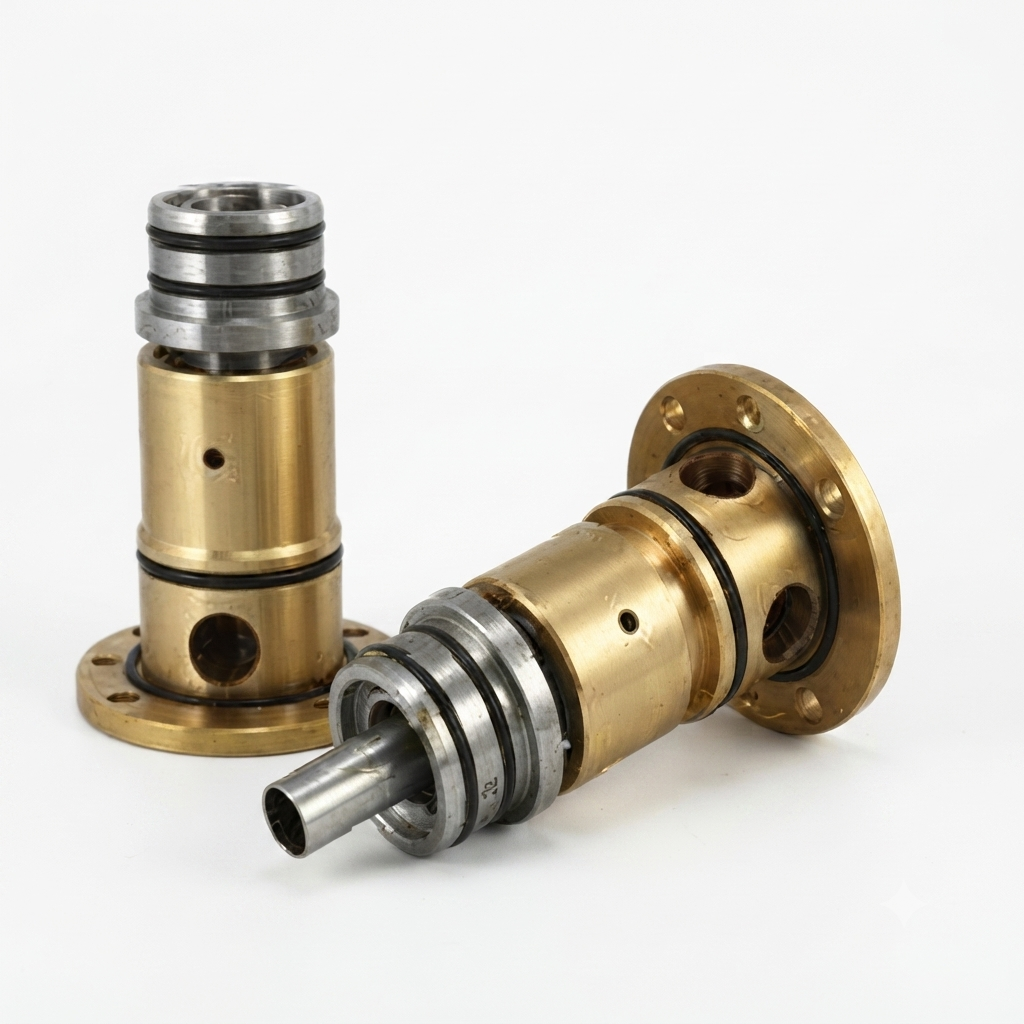
M-Series — Rotary Joint for Metallurgical Continuous Casting
Embedded maintenance-free joint for continuous casting machines
Send Us Your Drawing or Duty Conditions
Tell us the medium, temperature, pressure, speed and connection size. Our engineers reply with a selection or a custom proposal — usually within one working day.